
In the village of Abomosu, tucked into the hills of the Eastern Region, Abena Owusu rises before sunrise. She does not do this because she has to. She does it because, for the first time in a long while, she wants to.
Three years ago, Abena's story was different. Her husband had passed from an illness that went undiagnosed for too long — the nearest hospital was four hours away by road, and the family could not afford either the journey or the treatment. She was left with three children, a small plot of land, and a loom her grandmother had left her.
The loom sat idle. There was little energy for weaving when you were also feeding children on a single harvest and watching your health decline from the stress of grief and poverty. "I was surviving," she says, "but I had stopped living."
"When the PVH team came to our village, they did not just check our bodies. They asked about our lives. That was the first time anyone had asked."
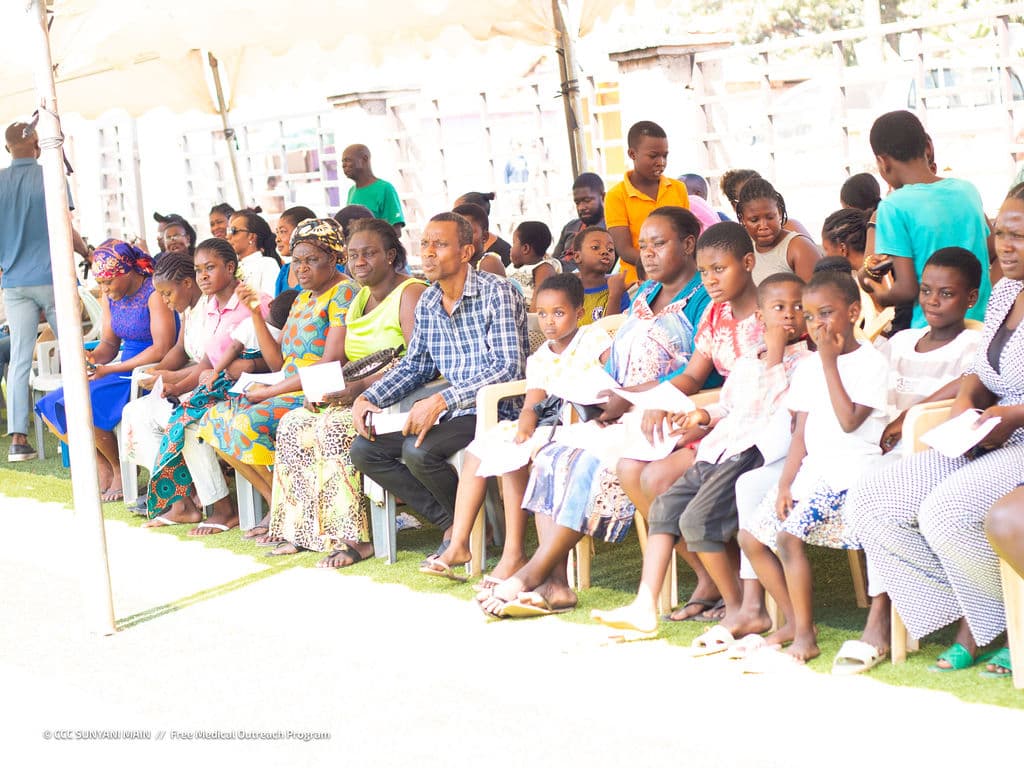
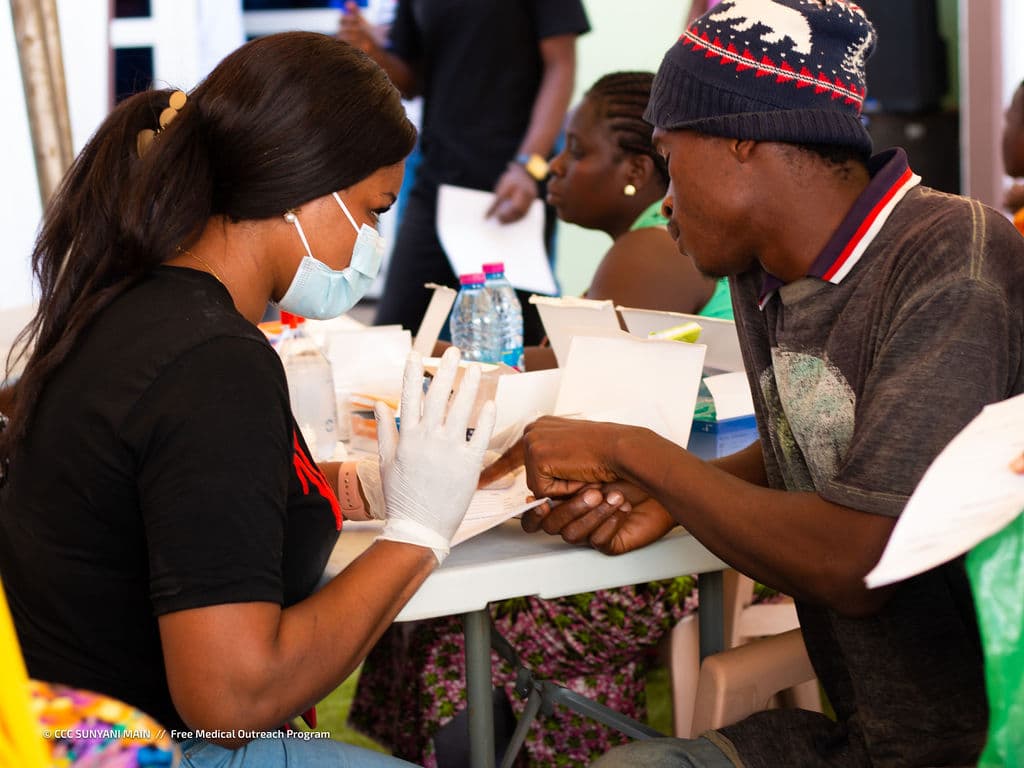
In 2024, a PVH medical outreach reached Abomosu. Volunteers set up under a shade canopy near the community centre and offered free screenings, consultations, and essential medications. Abena came for herself but ended up staying all day, watching the team work. She noticed how they spoke to the elderly with patience, how they knelt down to examine the children, how nobody was turned away.
A community health educator who accompanied the outreach team began speaking with local women about nutrition and preventive care. After the session, she pulled Abena aside. She had noticed Abena's loom through the open door of her home. She asked about it.
Through the PVH network, Abena was connected to a micro-grant initiative supporting women-led livelihood projects in communities the organisation serves. The grant was modest by any urban standard — enough to buy threads, repair the loom, and travel twice to Kumasi to learn about market pricing from a textile cooperative there. But the effect was not modest at all.
Within eight months, Abena was producing kente cloth panels that were sold through the cooperative. She trained her neighbour, a widow named Akosua, and then Akosua's teenage daughter. The weaving circle now has seven members. Three families — including two who had been considering leaving the village for Accra — decided to stay.
"The money is important. But what I did not expect was the confidence. I make decisions now. I speak at community meetings. My children see me doing that."
PVH's work begins with healthcare — with the belief that a community cannot thrive if its people are too sick or too financially precarious to seek treatment. But what the team has found, time and again, is that a single point of dignified contact can unlock something much larger. A free consultation becomes a conversation. A conversation becomes a connection. A connection, in the hands of someone like Abena, becomes a livelihood that outlasts any single outreach visit.
This year, PVH will return to Abomosu. Abena has already told the team what she needs for the next visit: more threads, a second loom, and space in the health education tent to speak to other women about what is possible when someone believes in you first.
Continue reading